Workshop: Building Advocacy and Relationships with Marginalised Groups in South Africa’s Climate Change Policy Space
Overview
Dates: 4–10 October Location: 26 Degrees South, Muldersdrift, Johannesburg
Organisers:
The Adaptation Network, hosted by the Endangered Wildlife Trust, convened the workshop. Funding support came from the NAP Global Network and the International Institute for Sustainable Development. Mycelium Media Colab supported the communications and creative facilitation, with additional facilitation support from Well Worn Theatre, the Centre for Environmental Rights and Sunshine Cinema.
Participants
Community-based organisations from Limpopo and the Eastern Cape: Isitembiso Multipurpose Organisation, Kidlinks Small Farm Incubator, Vhembe Biosphere Reserve and Dzomo la Mupo
Gender and climate advocates from GenderCC
Youth and disability rights representatives from Disabled Youth South Africa
Officials from the Department of Forestry, Fisheries and the Environment
An official from the Department of Women, Youth and Persons with Disabilities
A researcher from the University of Fort Hare
Activities
The five-day workshop brought together policy learning, creative methods and practical planning. Activities included:
Reflection on climate impacts and lived experience
Film screening and discussion on climate justice and advocacy
Theatre sessions exploring identity, vulnerability and barriers to participation
Sessions on the policy landscape and the Climate Change Act
A card game to map decision points in the law-making process
Training on data sourcing, photography for storytelling, AI tools and Canva
Step-by-step development of advocacy goals and action plans
Download the full report here, or read the summary below.
The Adaptation Network hosted a week-long National Adaptation Plan (NAP) advocacy capacity building workshop in October. The workshop brought together community groups, disability and gender advocates and government officials to deepen shared understanding and strengthen engagement on climate adaptation policy.
Grounding in lived experience
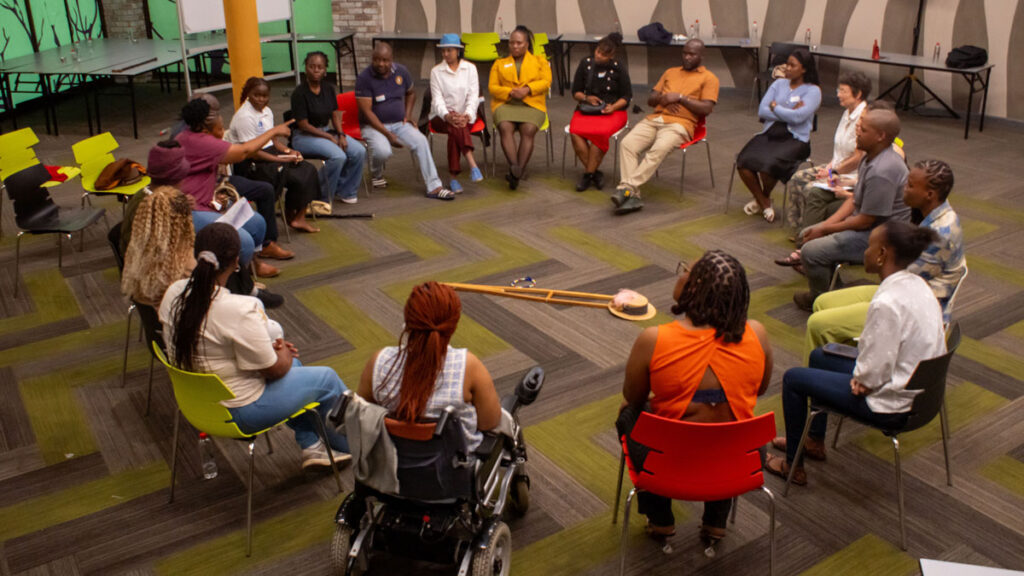
The week opened with shared reflections on climate impacts, vulnerability and lived experience. Participants viewed the film Temperature Rising and discussed how storytelling can support advocacy. Presentations highlighted the diverse experiences of people with disabilities, reinforcing the need for inclusive planning. Theatre exercises helped the group explore intersectionality and the compounding layers of vulnerability linked to disability, gender and age, and how these shape people’s experiences of climate impacts.
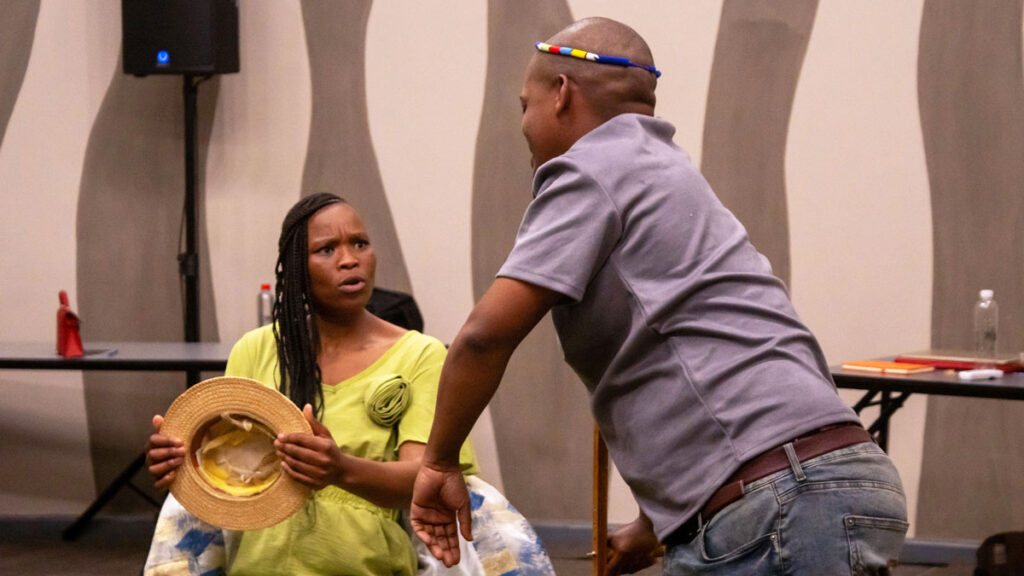
A role play used to explore intersectionality. An elderly woman walks to the clinic during a heat wave, is refused a lift and is treated poorly on arrival. The group reflected on what might help in real life, including the support of a community caregiver.
Understanding policy and and how to tell the story
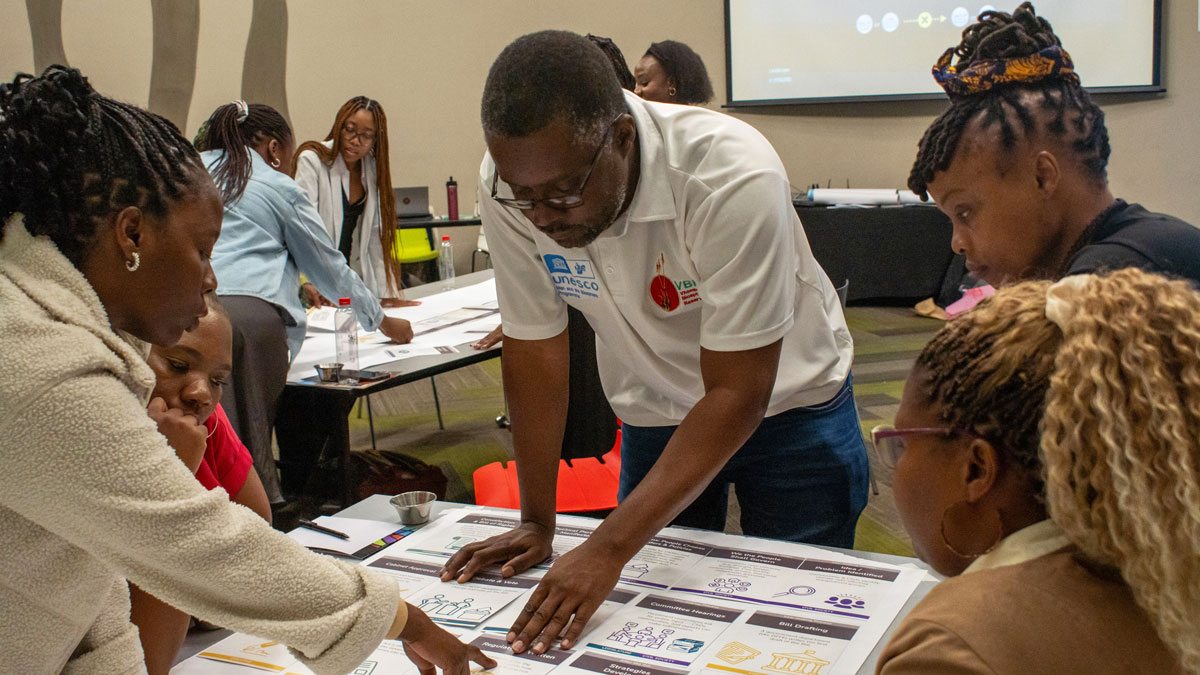
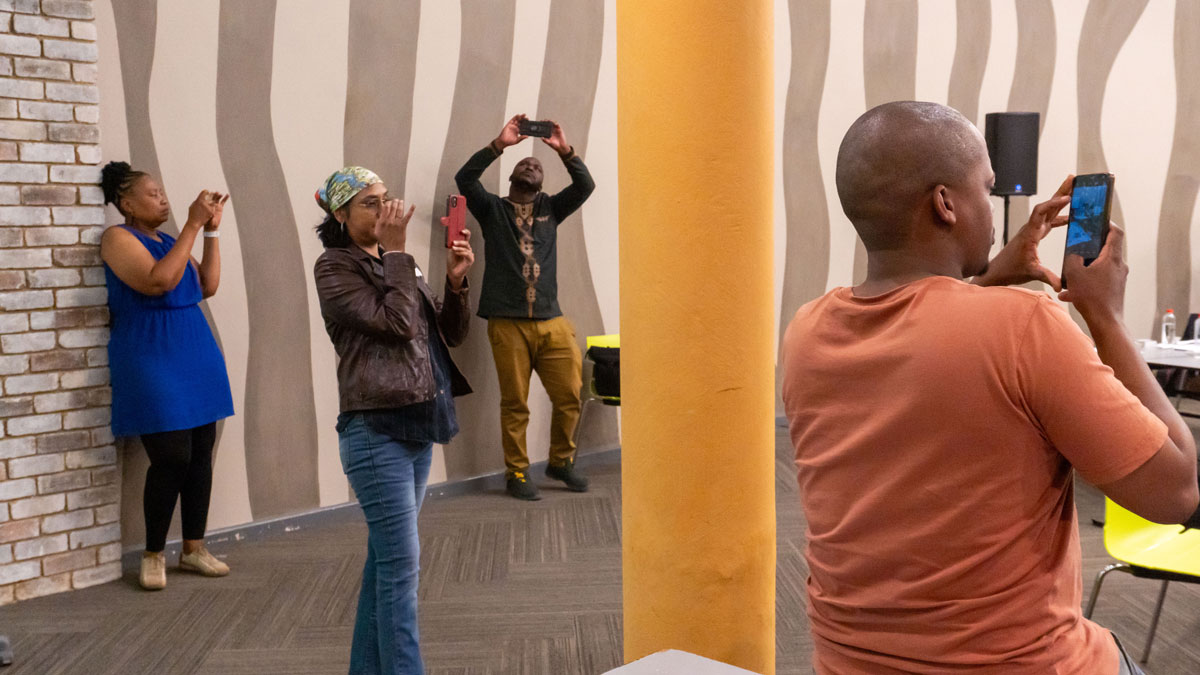
Day two focused on the policy landscape. Brandon Abdinor from the Centre for Environmental Rights explained climate justice as a framing for advocacy. He outlined key national legislation, including the Climate Change Act. A specially designed card game helped participants understand the policy-making process and where public input is possible. Sessions on finding reliable data and photography strengthened participants’ skills in gathering and presenting evidence.
Playing cards: participants map the policy process.
Practicing the art of storytelling through photography.
Climate Change Act and UNFCCC
On day three Mikateko Sithole from DFFE guided participants through the Climate Change Act, the National Adaptation Strategy and South Africa’s reporting duties under the UNFCCC. The group discussed the organisational and budget challenges that affect implementation. Theatre sessions later in the day gave participants a creative way to explore barriers to participation and try out new ways of engaging, with government officials and community members walking in each other’s shoes through role play.
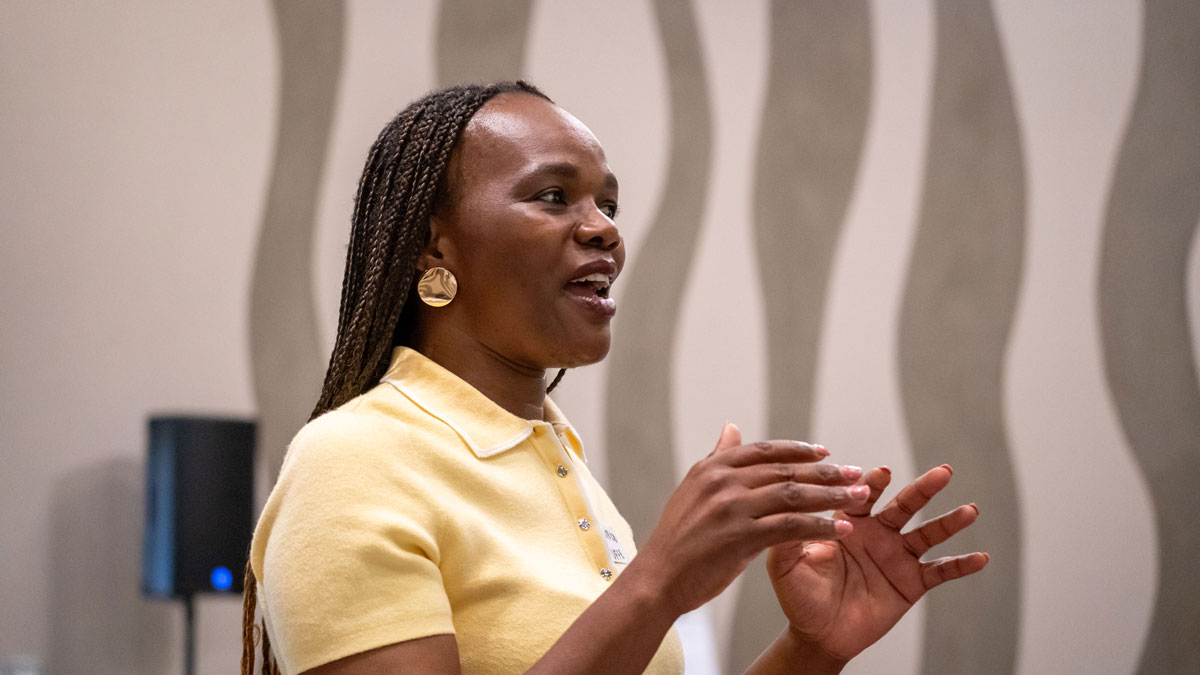
Mikateko Sithole, DFFE, unpacks the Climate Change Act.
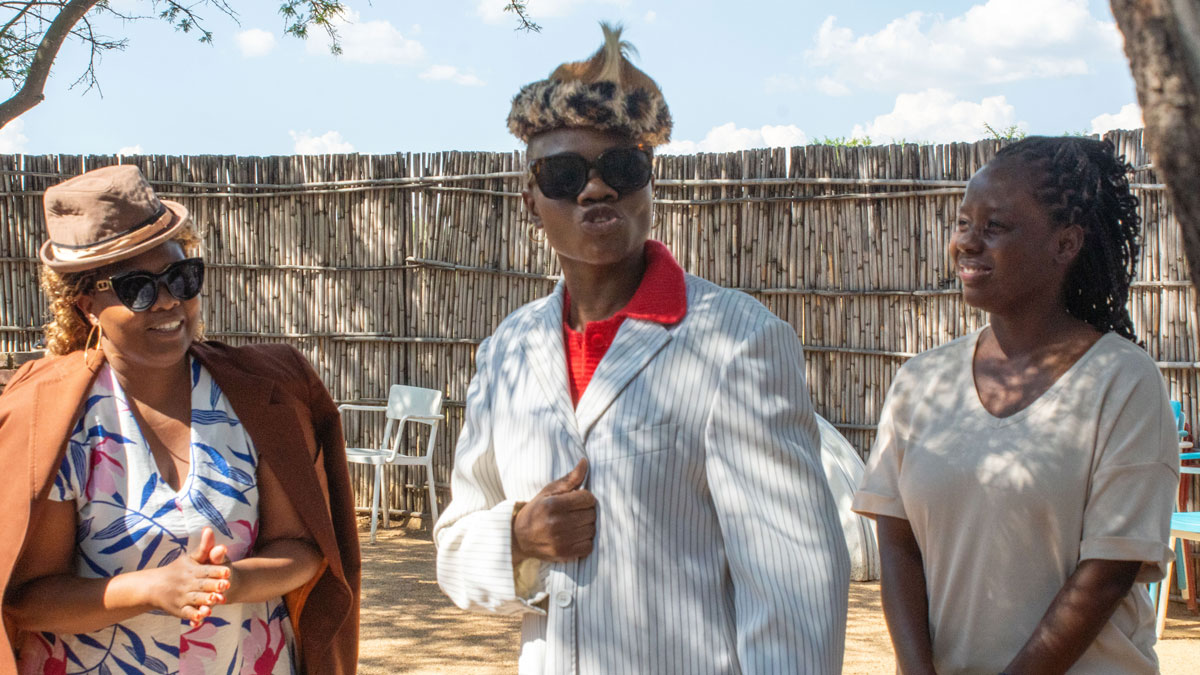
Government officials and community members step into each other’s shoes in a role-play scenario about a water shortage.
Advocacy planning
The final two days focused on practical advocacy planning. GenderCC and the Department of Women, Youth and Persons with Disabilities shared insights on gendered vulnerability and the experiences of people with disabilities, including challenges such as inaccessible early warning systems and limited inclusive data. Participants worked in their organisational teams to set advocacy goals, shape messages and identify audiences as they developed their Advocacy Action Plans.
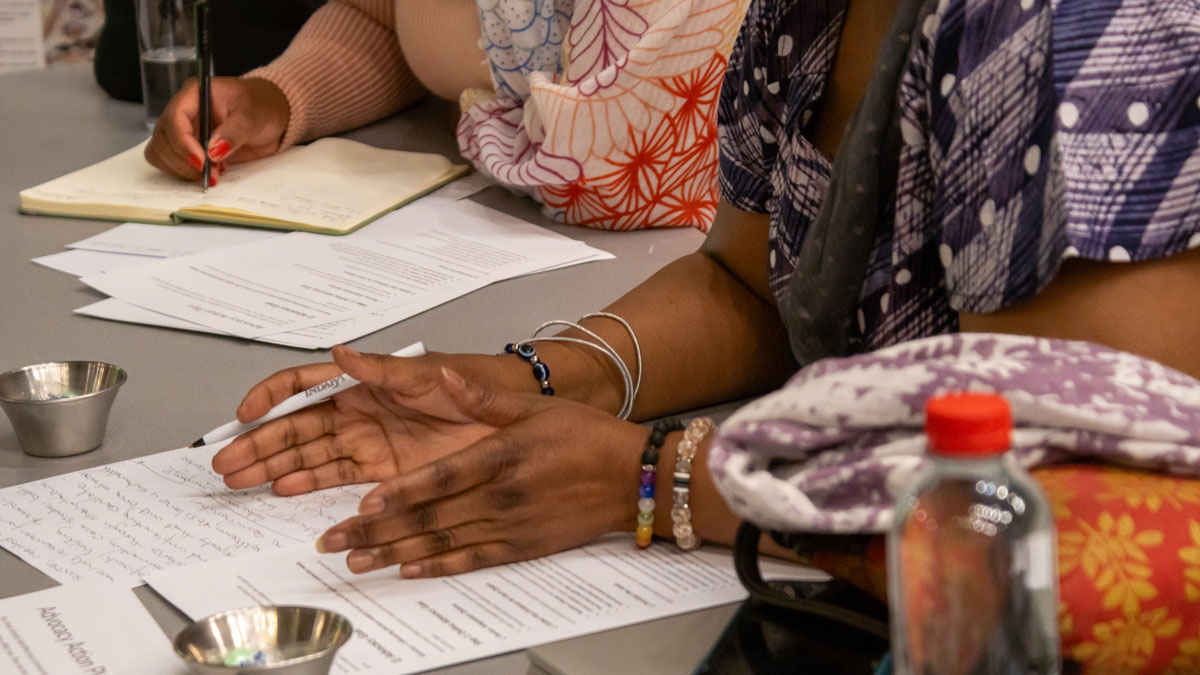
Participants working on their advocacy action plan.
The group from the Eastern Cape working on a powerful advocacy plan to address their water shortage crisis.
Building connection and shared purpose
The workshop created space for learning, relationship building and creative exchange. Government officials and civil society groups engaged openly, building trust that will support future collaboration. Although advocacy plans will need continued development, the workshop built a strong foundation for ongoing inclusive climate adaptation work across South Africa.
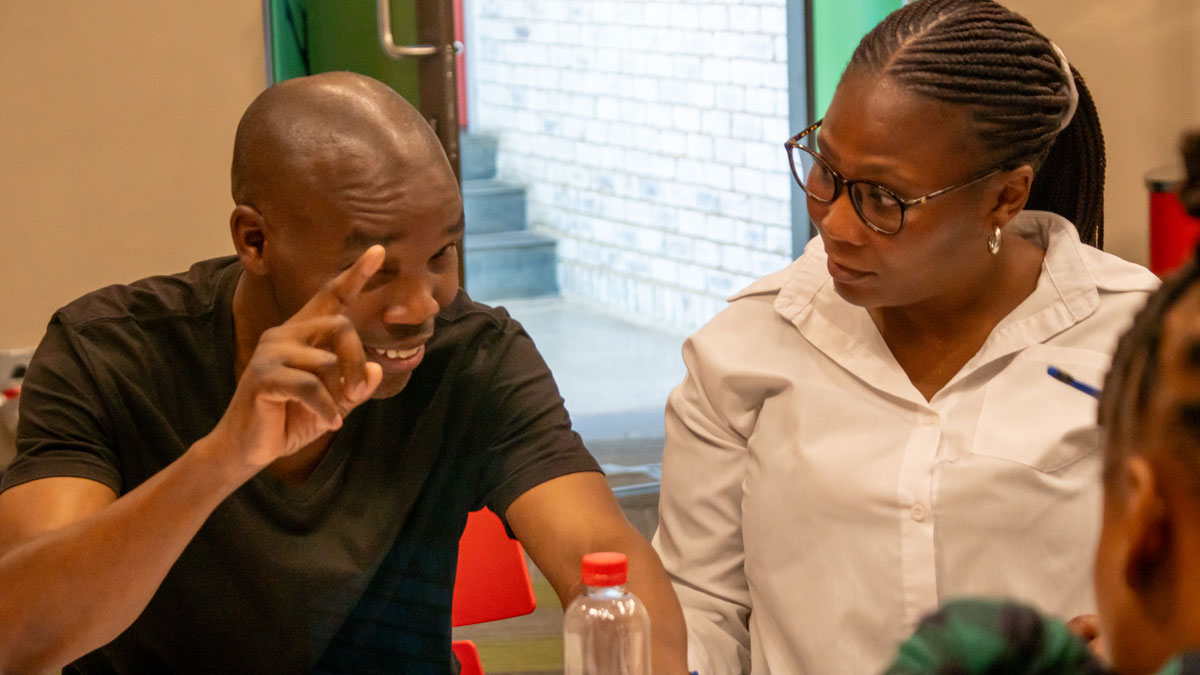
Laughing over mealtimes: The moments in between are often where relationships are built.
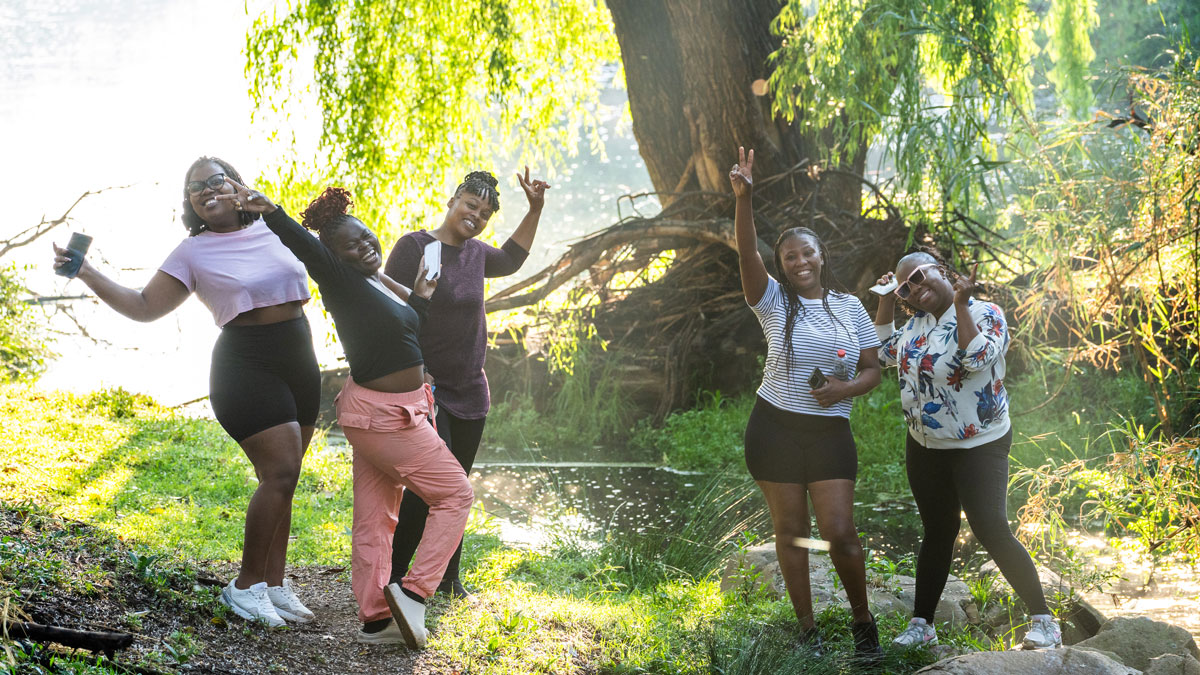
Now as friends we meet, taking an early morning walk along the river for some rejuvenation and connection before the day of workshopping begins.